

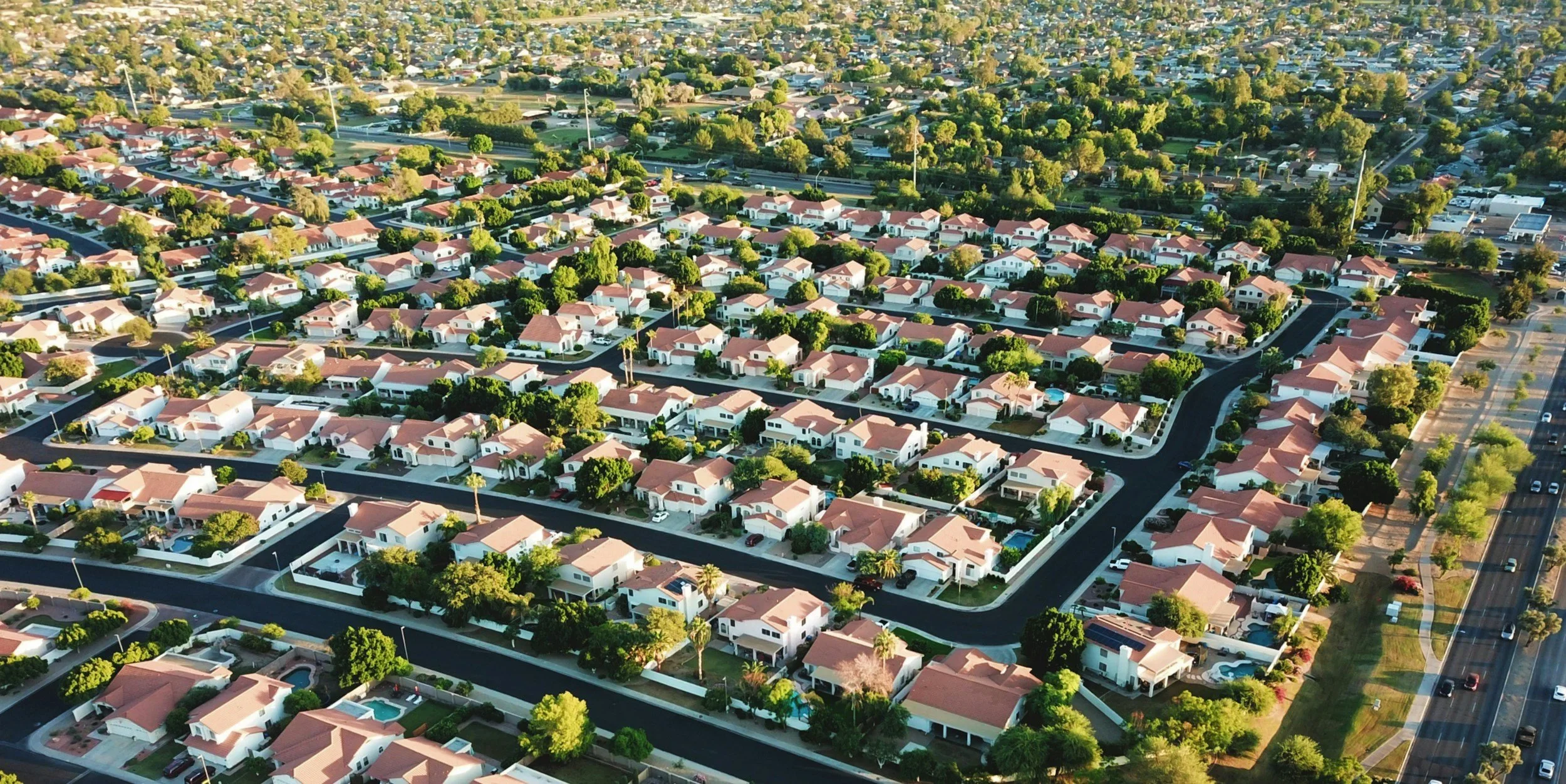
Is It the Suburbs, or How They're Designed?
What do greenhouse gas emissions have to do with social connection? More than we thought. New research on more than 60,000 U.S. neighborhoods shows that a single design paradigm, adopted across postwar suburbia, moved three kinds of health in the same direction at once: environmental, physical, and social.

Rebuilding Belonging
Loneliness didn’t happen by accident - it was shaped by the places we built. Inspired by Senator Chris Murphy’s call to rethink connection, this issue explores how everyday environments either create small moments of belonging or quietly make human connection harder.

Where's the Human in the Monumental?
The FIFA World Cup may unite billions, but connection happens at a human scale. Discover how thoughtful design - from stadiums to neighborhood gathering places turns massive events into meaningful moments of belonging, community, and shared experience.
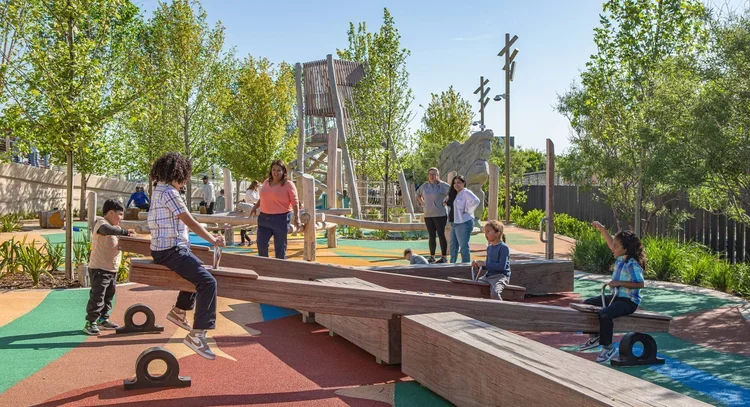
A Space Where Culture Thrives
What makes people believe they belong? From a hospital corridor to Dallas' new Halperin Park, this issue explores how thoughtful design restores agency, strengthens culture, and creates places where communities can gather, thrive, and shape what comes next.

The Neighborhood Made It Possible
A park within a ten-minute walk can do more than offer convenience—it can strengthen family bonds and improve mental health. Explore the research showing how walkable neighborhoods, nearby green spaces, and everyday design create healthier, more connected communities.
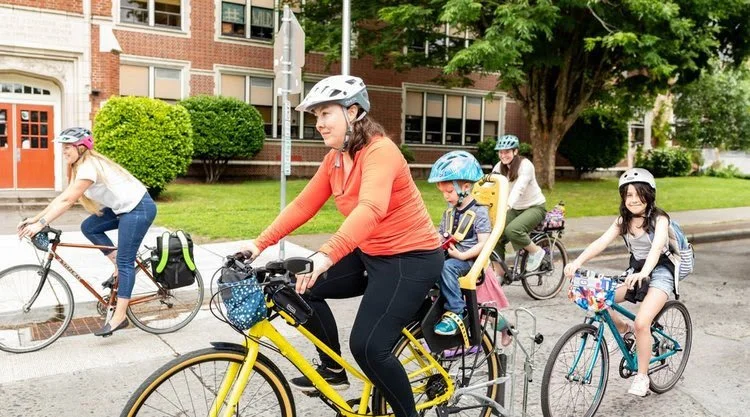
How You Arrive Shapes Who You Know
The ties that hold a community together aren't usually built through effort or intention. They're built through repeated presence in the same place at the same time. This piece explores the surprising science of how your commute, your transit stop, and the way your neighborhood is designed are quietly determining who you know — and who you never will.

Human Scale in Architecture: Why It Matters and How to Design for Comfort
Most of us can feel the difference between a space that fits the human body and one that doesn't — the too-wide corridor, the ceiling that soars past comfort, the plaza that makes you feel exposed rather than held. This piece explores the neuroscience of human scale and why getting it right matters far more than aesthetics.

The Day Your Corner Store Disappears
When a neighborhood coffee shop disappears, we lose more than a place to buy coffee. We lose the everyday interactions that build trust, belonging, and resilient communities. Explore why "weak ties" and local gathering places matter more than we often realize.
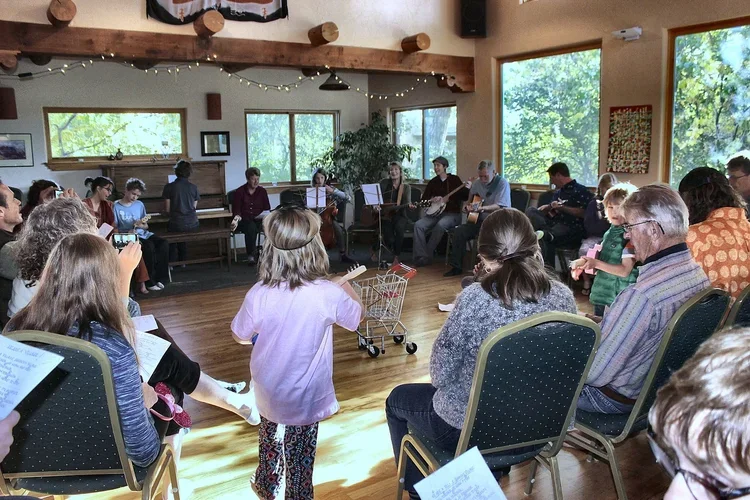
Is Your Neighborhood Optimizing For Connection?
What if your neighborhood was designed to help you connect? Drawing from a week in a Colorado cohousing community, this issue explores how everyday design choices—from walkable paths to shared spaces—quietly shape belonging, relationships, and community.
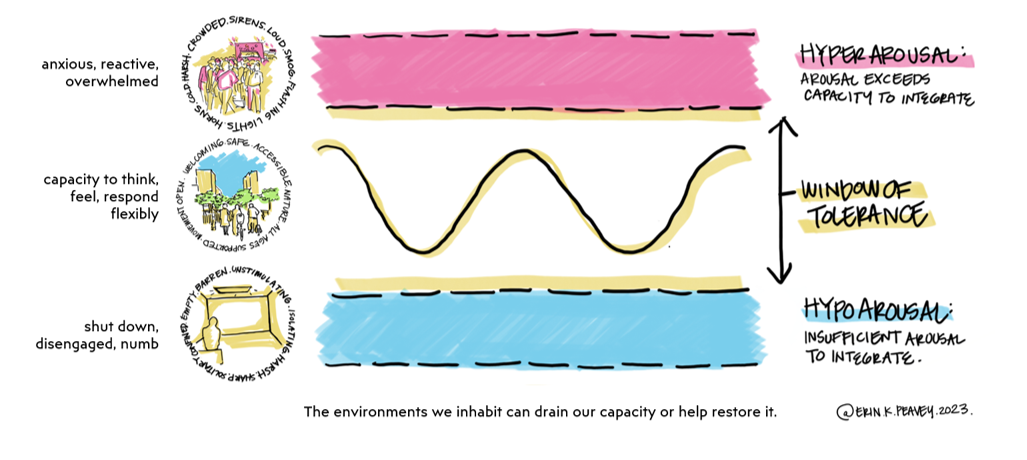
But First, Regulation
Before connection can happen, the nervous system has to stand down. This piece explores why so many spaces — schools, offices, hospitals — are asking people to connect before providing the conditions that make connection physiologically possible. And what it looks like when design gets the order right.
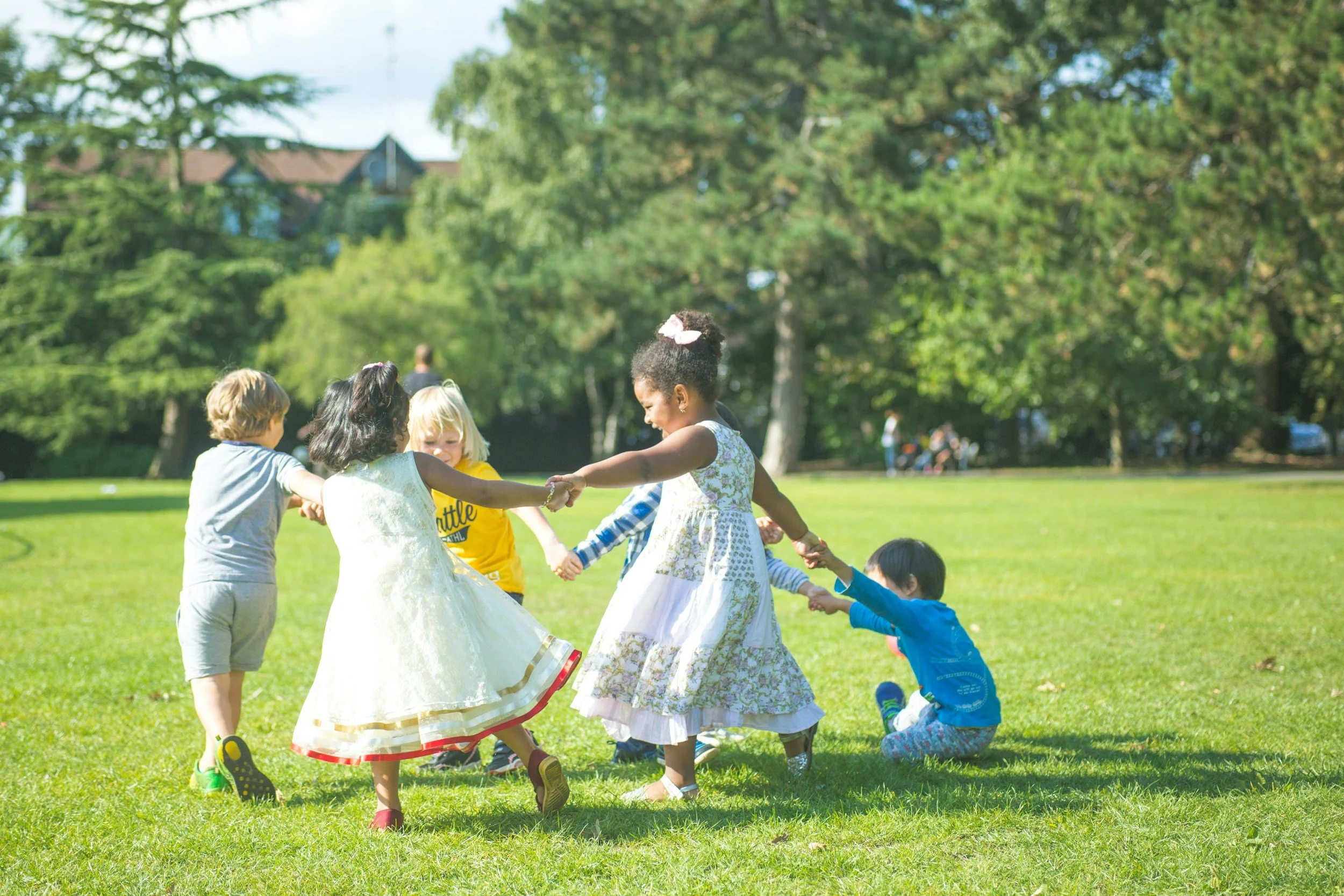
What a Kid’s Party Teaches Us About Outdoor Design
A porch, a parade around the block, and a reminder that the best gathering spaces don't require a design budget.
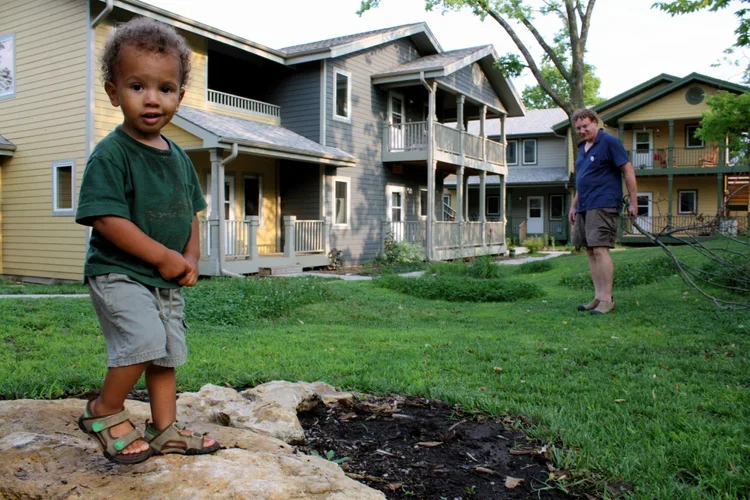
Opportunity Isn’t Just About Where We Live
Opportunity is more than where we live—it’s shaped by the relationships and environments that surround us. Discover how neighborhood design, social health, and everyday places create the conditions for connection, resilience, and lasting opportunity beyond housing alone.

When Places Hold the Pattern
The places we return to each day quietly shape our relationships. Explore how everyday rituals emerge through thoughtful environments that make connection feel natural, predictable, and woven into the rhythms of daily life.

Connection: Another Personal Responsibility?
Connection is often treated as a personal responsibility—but what if loneliness is shaped as much by our environments as our effort? This issue explores why belonging can feel like work and asks what changes when we share responsibility for creating connection.

When Awareness Isn’t the Same as Change
Awareness has helped us name the loneliness epidemic—but why does everyday life still feel disconnected? This issue explores the gap between recognizing the problem and creating environments that naturally support belonging, connection, and social health.

The Quiet Cost of Starting the Year in a Hurry
What if the best way to begin the new year isn't by moving faster? This issue explores how the pace of daily life shapes our relationships, why rushing quietly fuels loneliness, and how making room to linger can create deeper moments of care, belonging, and connection.

What We Misunderstood About Loneliness This Year
We talked about loneliness more than ever this year—but why does it still feel so widespread? This issue explores how our environments quietly shape connection, why individual effort isn't enough, and what small changes in the places around us can make belonging more possible.
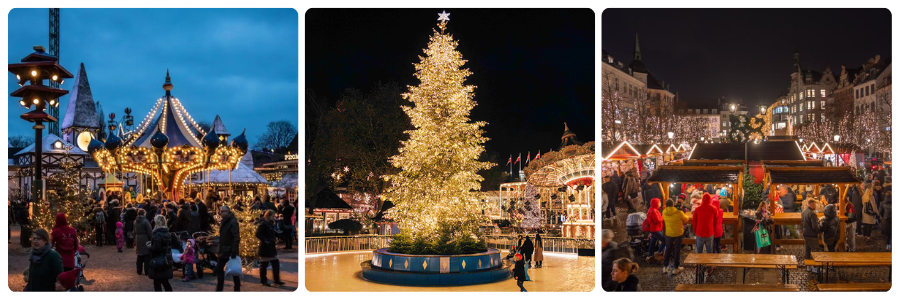
Pop-Up Joy: How Temporary Places Reveal What We Really Need
Festivals and pop-up gathering spaces do more than celebrate a season—they remind us how places shape connection. From markets and plazas to parklets and laneways, discover why temporary spaces create lasting belonging and what cities can learn from them year-round.
When AI Becomes the Easy Friend: What To Do Now
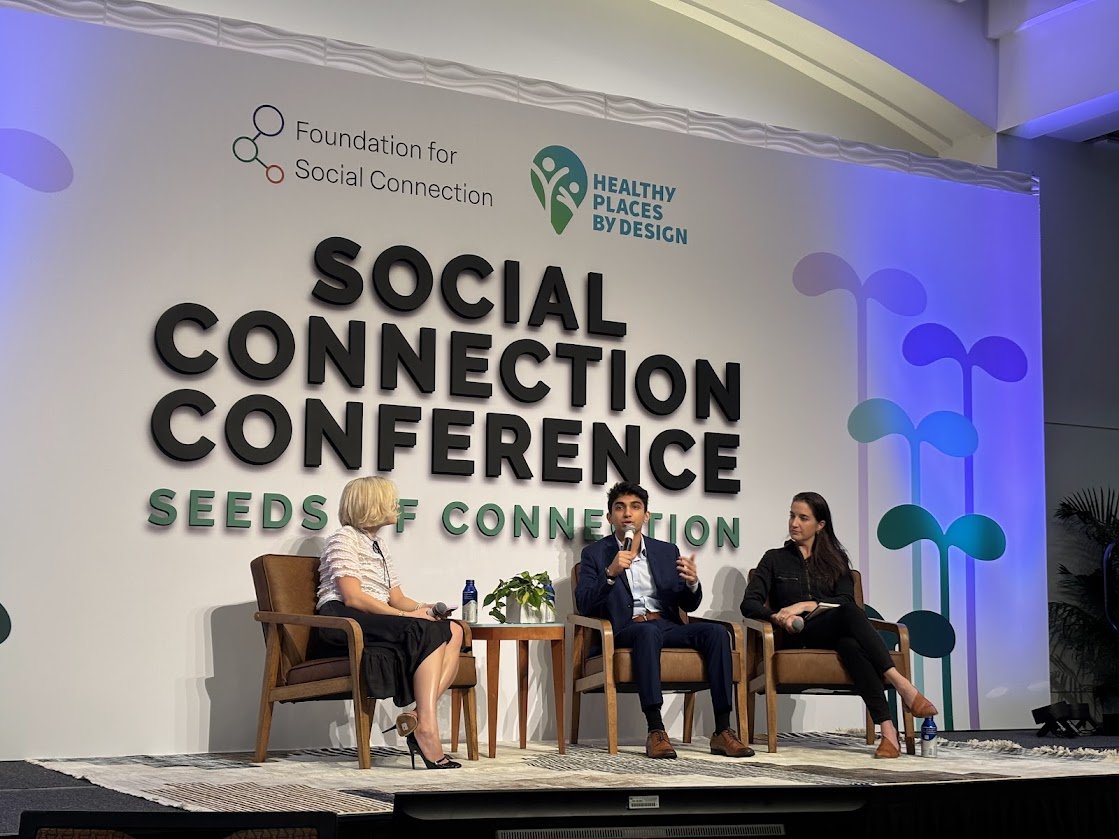
As AI becomes the "easy friend," how do we keep real human connection at the center of our lives? Explore why thoughtful design, public policy, and youth-led innovation can create places where presence, belonging, and face-to-face relationships still thrive.
From Policy to Place: How We Build the Architecture of Belonging
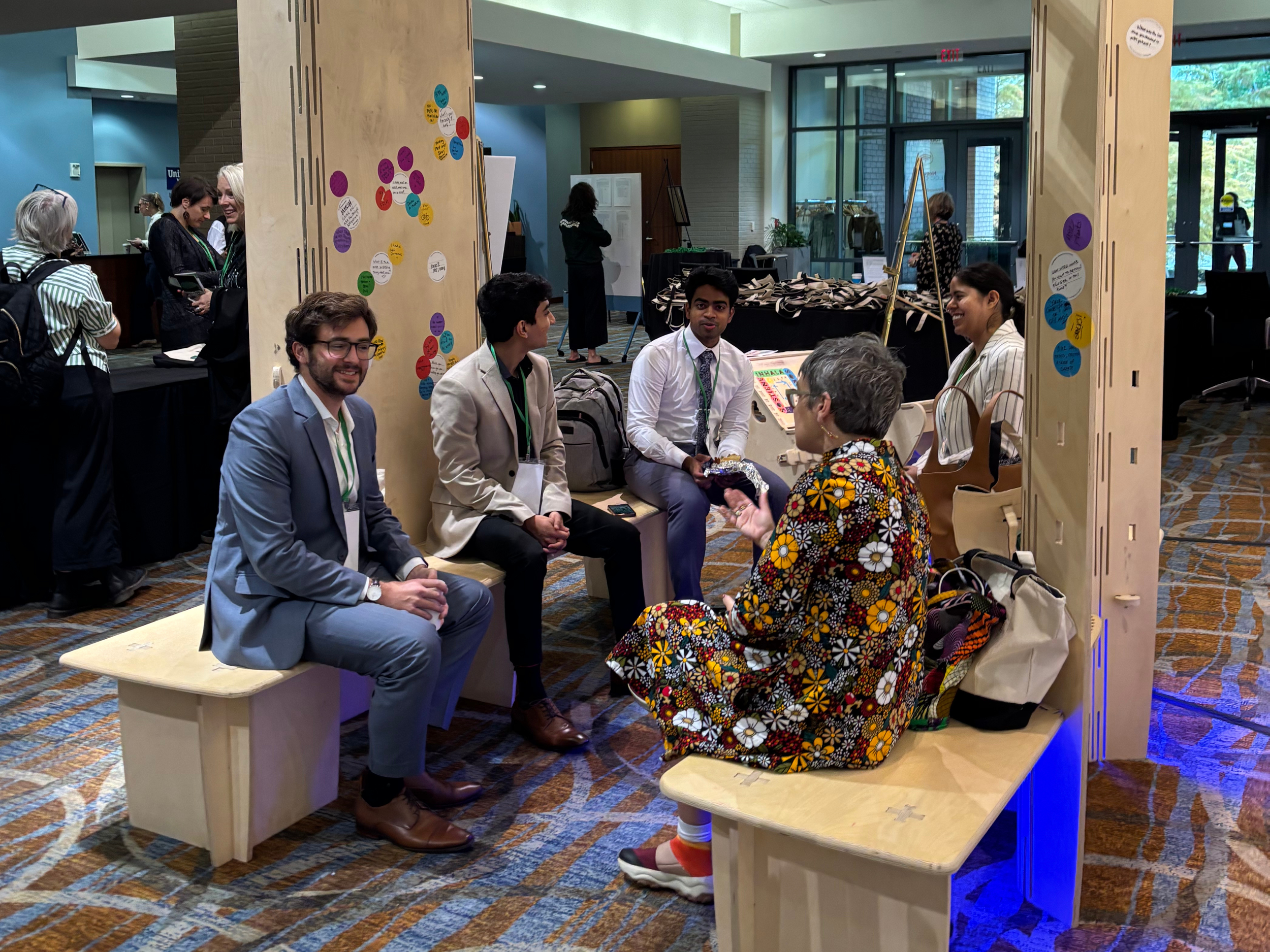
Belonging doesn’t happen by chance—it’s designed through the places we create and the policies we choose. Inspired by the SEEDS Conference, this issue explores how human-scale design, social infrastructure, and community spaces can strengthen connection and help people truly belong.